
















The South Caucasus is rapidly transforming from a zone of long-standing conflict into a strategic hub connecting Asia and Europe. This transformation, based on a new peace agenda and large-scale infrastructure projects, was the main topic of discussion at the 6th Caspian Business Forum in New York. The TRIPP route (“Trump Route for International Peace and Prosperity”) is becoming a key element of the region’s new architecture.
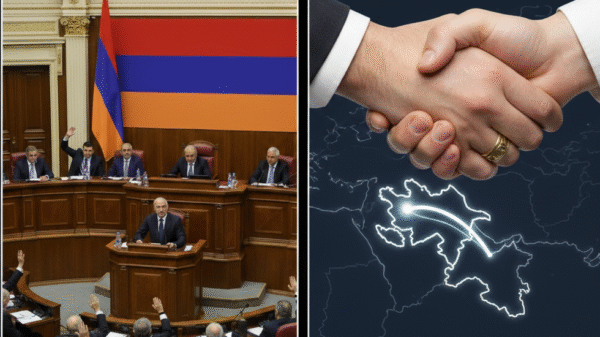
This route, connecting the main part of Azerbaijan with the Nakhchivan Autonomous Republic through Armenian territory, was consolidated by a declaration signed by the leaders of the two countries on August 8, 2025. As President Ilham Aliyev emphasized in his message to the forum, TRIPP will become a crucial segment of the Middle Corridor and will serve as a key transport link between continents.
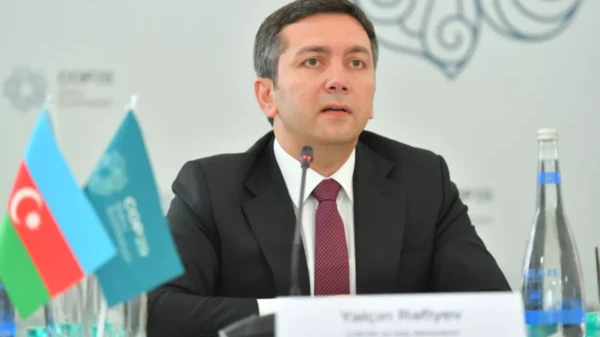
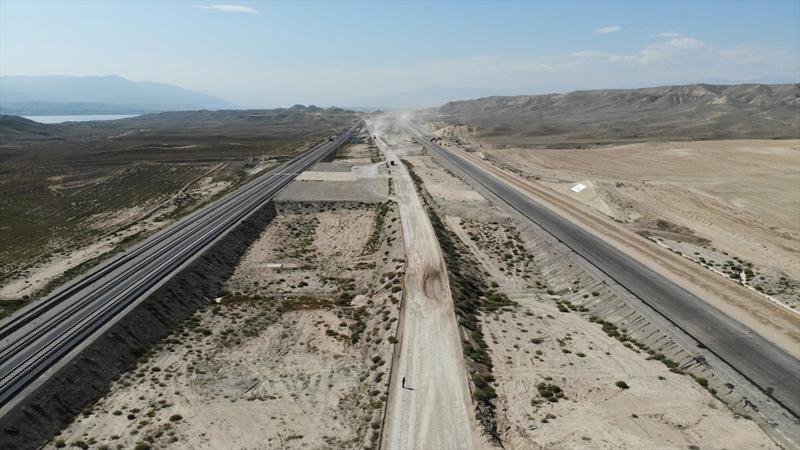
Specific steps for implementing this vision were outlined at the forum by Azerbaijan’s Presidential Assistant Hikmet Hajiyev. According to him, construction of the railway from Baku to the Armenian border is planned to be completed by mid-2026. Work is also underway on the Armenian section of the “Zangezur Corridor” with the participation of American partners. Simultaneously, the capacity of the Baku port is being expanded to 25 million tons of cargo per year to meet growing demand.
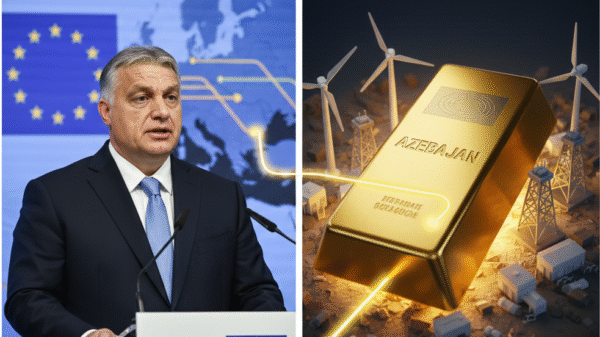
The growing significance of the region is confirmed by the interest of world powers. The US openly calls the Caspian region its long-term strategic priority. Europe sees the Middle Corridor as a path to diversifying energy and trade routes, while China views it as an important part of its “One Belt, One Road” initiative.
This new era became possible after resolving the long-standing Armenian-Azerbaijani conflict, as a result of which Azerbaijan fully restored its sovereignty and territorial integrity. Today, projects like TRIPP, requiring close cooperation between Baku and Yerevan, are seen as an economic guarantee of long-term peace in the region.