








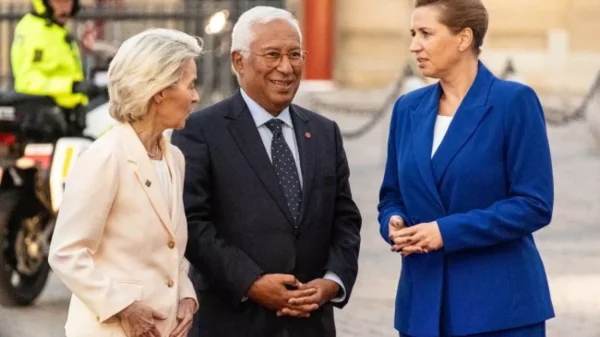

















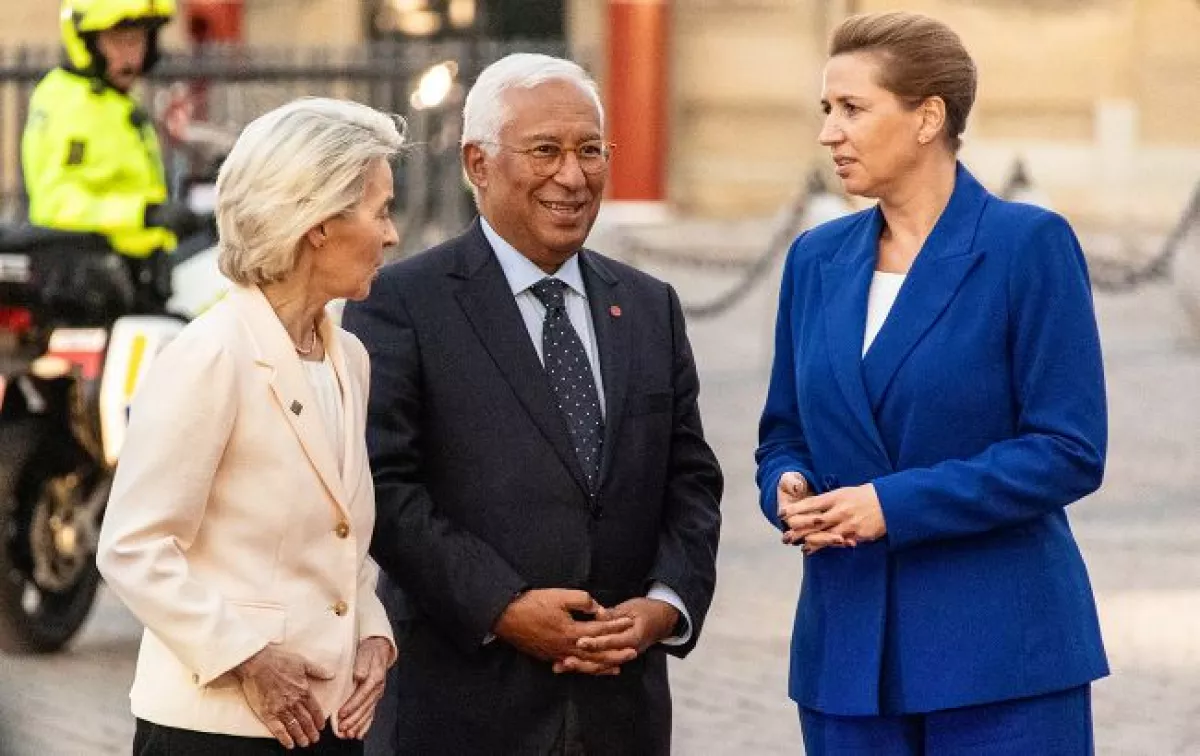
The European Commission’s initiative to provide Ukraine with a loan of 140 billion euros from the revenues of frozen Russian assets has encountered serious obstacles. At the informal summit in Copenhagen on October 1, EU leaders failed to reach a unified position due to legal risks and concerns of several key states.
The essence of the proposal was to direct revenues generated by frozen Russian assets in the Belgian depository Euroclear to finance Ukraine in 2026-2027. The mechanism was conceived as a “reparations loan”: Kyiv would only repay the debt if Moscow were to pay compensation for damages in the future.
However, this scheme sparked serious legal disputes. Belgium refused to support the initiative in its current form, and countries like France and Luxembourg expressed deep concern about the legal consequences. The main stumbling block was the possibility of using assets without clear international legal grounds, which could create a dangerous precedent.
Despite the general political support for helping Ukraine, summit participants recognized the need for additional consultations to elaborate the legal framework in detail. The European Commission received a mandate to refine the proposal, taking into account the expressed concerns, to ensure its full compliance with international law and the interests of all EU member states.